
The 'Wàa jẹun ọmọ’ Ethos: A Yoruba Perspective on Passing the Baton and Legacy.
- Home
- Blog

By Omolola Olakunri
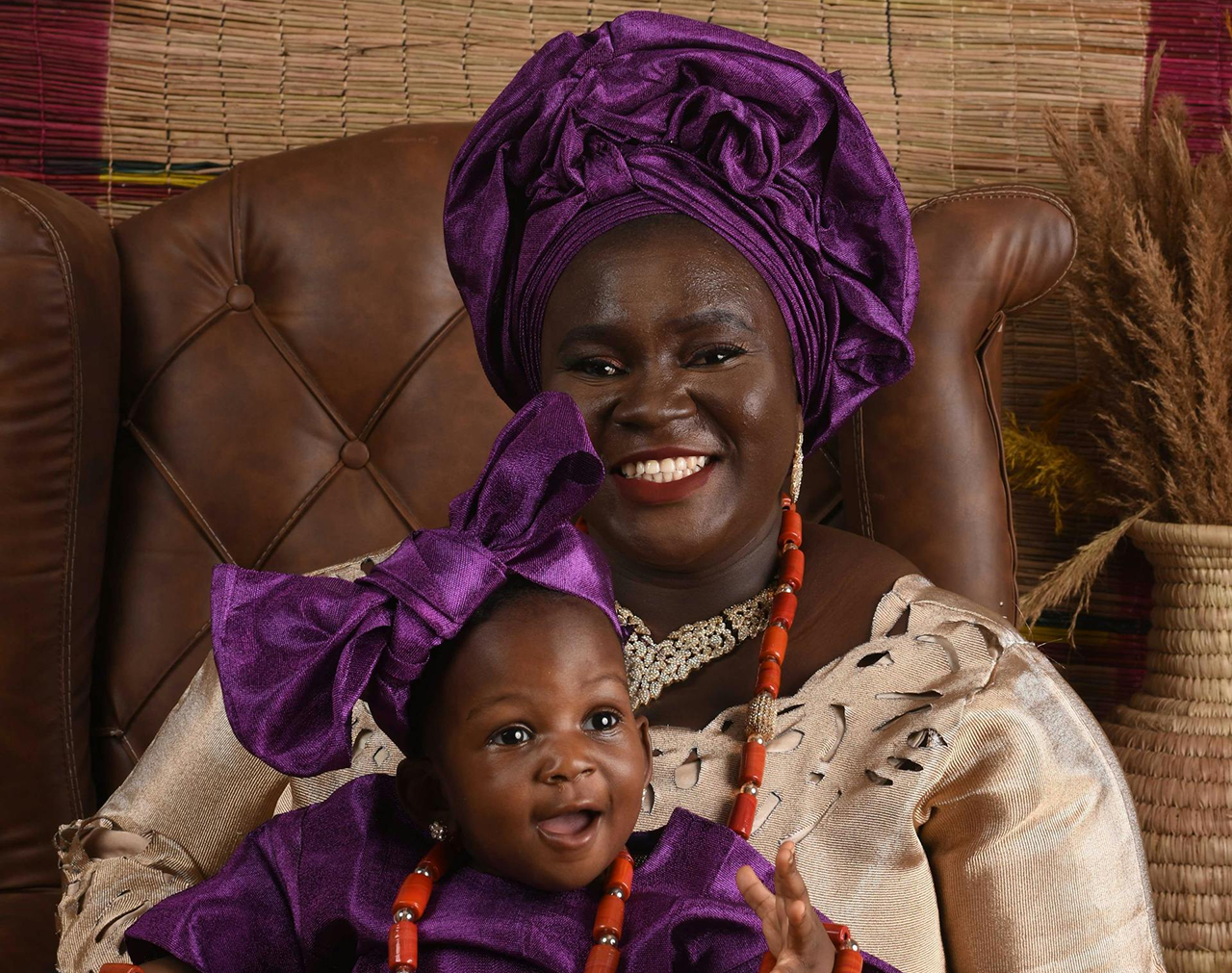
Wàa jẹun ọmọ, loosely translated, speaks of a parent who will one day dine at the banquet prepared by their children.
It reflects the deep conviction of parents who defy all odds to ensure their children are educated and established. They walk through fire, swim shark-infested waters, and endure seasons of lack, all so their children can turn out well.
It is a philosophy of sacrifice: choosing present hardship for a greater future. It is about protecting a seed that must be nurtured, allowed to grow, and reach its full potential. Only then can it be harvested.
Jeun ọmọ is, in essence, an investment in children. One made with the hope of meaningful returns at the right time. Parents pour in everything they have: education, exposure, discipline, and opportunity. They understand that when they leave this world, it is not wealth or status that endures, but the legacy carried forward by their children.
In return, the child honors the parent by caring for them in their twilight years, completing the circle of life. One hand washes the other, and both are clean.
I remember a quiet evening when an elderly widowed man sat outside his home, watching his daughter arrive with groceries, medications, and a mechanic to fix a long-broken generator.
There was no ceremony, no announcement. Just quiet, consistent care. The neighbors barely noticed, but the old man did. One could see it in the way he sat a little straighter, spoke a little softer. This was his harvest season. Not of wealth, but of dignity. Of knowing that his labor had not been in vain. That his daughter saw him.
There is a threefold pattern of relationship that many African parents intuitively follow.
In the first stage, the spring of life, parents talk to their children. They nurture, instruct, and provide. They meet needs, shape character, and lay foundations.
In the second stage, the child comes of age. Educated, working, and forming independent views. Here, parents learn to talk with the child, not at them. Orders give way to conversations. Authority softens into guidance. There is a recognition that the child has grown, adapted, and must now think for themselves.
The third stage is often the most delicate. Parents enter the final phase of life. Older, sometimes frail, increasingly dependent.
Here, the roles begin to shift.
The child gradually assumes responsibility: organizing medical care, covering recurring expenses, making decisions, and ensuring overall well-being. In this phase, the child provides, calls, arranges, and leads.
This is the Wàa jẹun ọmọ stage. When the child acknowledges the sacrifices of the parent and gives back. When, in many ways, the child becomes the parent. This concept is also deeply prayerful. It recognizes a difficult truth: not all children are kind. Some are indifferent. Some are shaped by selfishness, circumstance, or influence. Not all sacrifices are remembered, and not all parents are honored.
So it becomes a quiet prayer:
“Lord, grant me a child who will remember, who will be kind, who will give back.”
This prayer is especially significant within the African context, where traditional systems do not typically rely on retirement homes or institutional care. Parents are not expected to grow old among strangers.
In many Western societies, systems have evolved to provide structured elder care, retirement communities, assisted living facilities, and nursing homes. These systems offer professionalism, efficiency, and, often, comfort. But they can also create emotional distance, outsourcing a responsibility that, in African culture, is seen as deeply personal.
In contrast, African families tend to internalize this duty. Care is not delegated; it is embodied. Even when distance makes cohabitation impossible, children remain actively involved: arranging meals, coordinating healthcare, checking in constantly, and ensuring dignity is preserved. Care is not just a service; it is a relationship.
Immigration stretches ‘Waa jeun Omo’ across borders. Turning duty into video calls, close circuit tv coverage for safety, transfers, and prayers. This banquet still happens, just through screens, flights, and sacrifice from afar.
However, in modern times, the lines have begun to blur.
We now hear more about black tax. A term often used to describe the financial obligations placed on individuals by their families.
But black tax is not the same as ‘jeun ọmọ’.
Where jeun ọmọ is rooted in sacrifice, balance, and earned reciprocity, black tax can sometimes reflect entitlement. Some parents believe that giving birth alone entitles them to lifelong financial support, regardless of the quality of care or investment made.
In some cases, children are burdened not only with their parents’ needs but also with those of siblings and extended family. Others are expected to raise grandchildren or carry responsibilities that were never theirs to begin with.
Even more concerning is the quiet normalization of imbalance. Where little was sown, yet much is expected to be reaped.
This is not legacy.
This is not reciprocity.
Wà jẹun ọmọ is not exploitation. It is a covenant. One built on love, sacrifice, intention, and mutual honor.
And like every true harvest, it does not come by entitlement, it comes by what was faithfully planted, nurtured, and sustained over time.
About Us
Write Affairsu00a0was created in June 2024 as an extension ofu00a0Quintessential Strategies Limited (QSL) to meet the growing demand for expert writing services.
Thanks for sharing this piece my Sister….Gbogbo wa a o jeun awon Omo wa l’oruko Jesu.. Thank you, Ma
This is a really lovely write up and it captures the real essence of “wa a jeun omo.
Welcome ma’am.
There is such beauty in these words. They leave me reflective yet comforted, grounded in the knowledge that I honoured my mother with my best efforts while she was here.
Beautiful written, Auntie💕
Your write- ups are always unique, well thought out, and enjoyable. You can’t but read to the end 😊
What struck me most is how you didn’t just explain “Wàa jẹun ọmọ” but you made it feel alive. The sacrifices we make daily but never quite put into words. That quiet image of the elderly man sitting a little straighter stayed with me. It captures something deeper than provision; it’s dignity, it’s being seen, it’s love returning home.
In today’s world, where everything is becoming transactional, I appreciate how you drew a clear line between legacy and entitlement. Not every giving leads to harvest, and not every expectation is justified. That distinction is powerful and necessary.
It also made me reflect personally on what is being planted now, consciously or unconsciously. Because that “banquet” isn’t accidental; it’s cultivated over years in words, actions, and sacrifices that often go unnoticed in the moment.
Truly, this piece feels like both a mirror and a gentle call to responsibility for parents and children alike.
God bless you, Auntie 🙏💕🌹
You are such a prolific writer and poet. This topic is so apt and you have dealt with it very intelligently. Thanks.
Another beautifully written piece! Kudos!
I like the comparison between jẹun ọmọ and black tax.
Some parents find it hard to adapt to the second stage thereby leading to strained relationships with their children. Nonetheless the children still find it in them to enable the parents jẹun ọmọ.