
Who Is Watching Your Parents at 3 A.M.?
- Home
- Blog
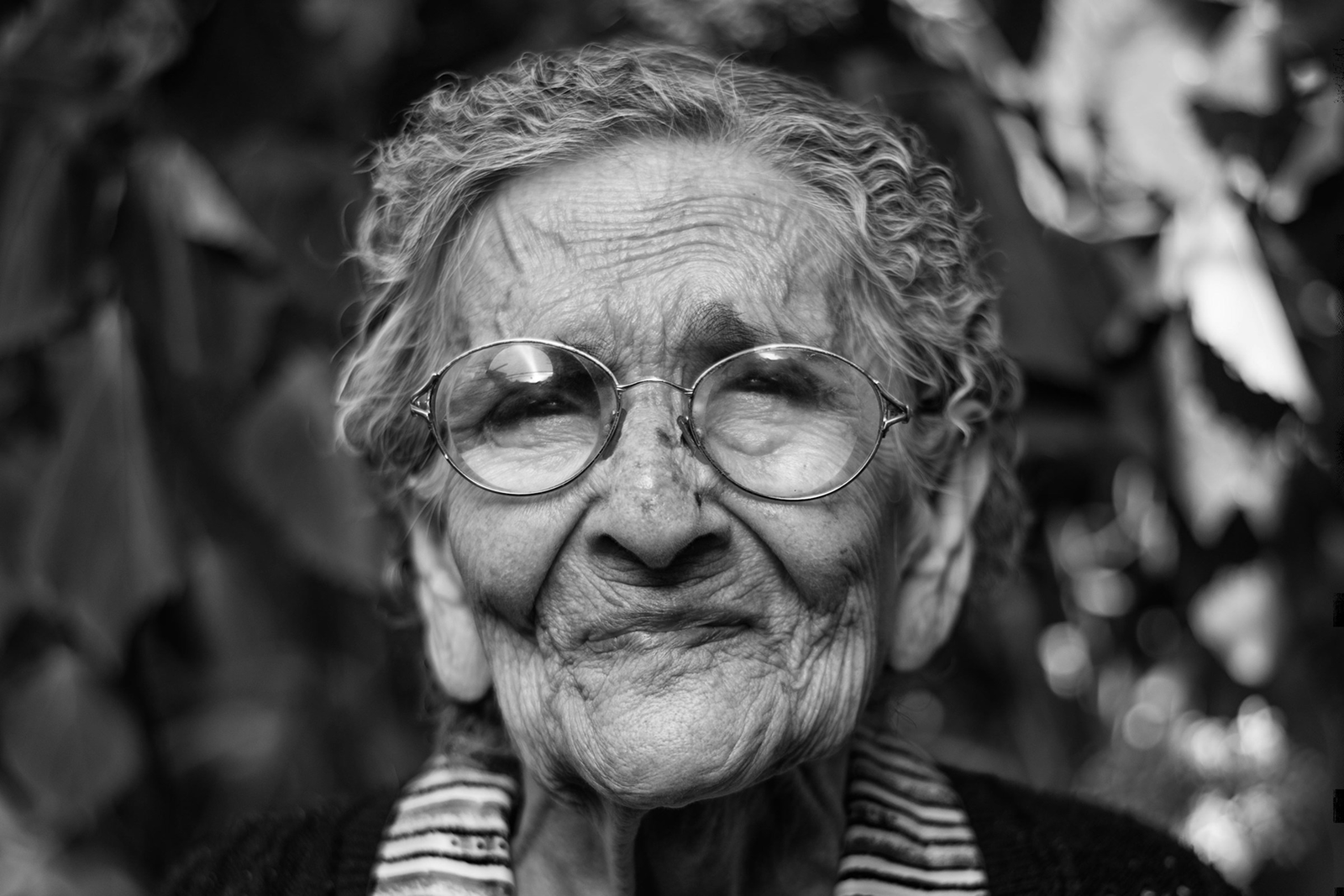
By Omolola Olakunri.
If there is one phone call many people dread, it is the one that comes in the wee hours of the morning, before dawn. The one that begins with words no one is ever prepared to hear.
“We found her unresponsive.”
“By the time we got to him, it was too late.”
For many of us, there is a quiet dread attached to those calls. A sudden tightening in the chest, a hesitation before picking up the phone. We are afraid to answer, yet equally afraid not to.
Ten years ago, she was living alone in Lagos.
Strong.
Fiercely independent.
She treasured her privacy and insisted she was managing well. Like many elderly parents, she wanted to remain in the home she knew, surrounded by familiar walls, familiar memories, and the dignity of doing things for herself.
Her children did what many loving families would do. They arranged for a caregiver. They installed CCTV cameras in the house. They called often and video-called every weekend.
She always reassured them.
‘I’m fine.’
‘I went to church today and danced.’
‘Cousin Meghan visited. We spent the afternoon talking about the old days.’
Then one ordinary morning, despite every precaution, the inevitable happened.
She heard the soft knock of her caregiver at the front door and got out of bed to let her in. Somewhere between her bedroom and the entrance, she became disoriented. The front door was barely twenty steps away.
The caregiver stood outside.
Help stood outside.
Care stood outside.
But she could no longer find the door.
By the time the door was forced open, she was gone.
A few days ago, I heard another story.
An elderly father got up to use the bathroom during the night. He slipped on the tiles and struck his head. No one heard him.
When his caregiver knocked on the bedroom door the following morning to call him for breakfast, there was no answer.
He, too, was gone.
Different families.
Different homes.
Different circumstances.
Yet the ending was painfully similar.
Both had children.
Both had once shared life with a spouse.
Both eventually lived alone.
Both died with nobody in the room.
It leaves me asking a question I wish more of us would ask before tragedy forces us to:
Who is watching our elderly at 3 a.m.?
Not at lunchtime.
Not during Sunday video calls.
Not while the caregiver is preparing breakfast.
At three in the morning.
When blood pressure suddenly crashes.
When a stroke begins.
When confusion sets in.
When someone falls in the bathroom.
When chest pain starts.
When breathing becomes difficult.
Who is there then?
In many Nigerian families, tremendous effort is made to care for ageing parents. Caregivers are employed. Agencies provide day and night shifts. Money is sent faithfully. Medication is purchased. Medical appointments are booked.
Everything appears to be in place.
Then the caregiver retires for the night.
Or goes home.
The house help sleeps in the boys’ quarters.
The children are in Abuja.
Or London.
Or Toronto.
Or Houston.
The house falls silent.
And the longest hours of the day begin.
Who hears the fall?
Who notices that Mum has not come out of her room?
Who realises Dad is lying on the bathroom floor?
Who knows something is wrong before it is too late?
Sometimes, the greatest danger is not illness.
It is silence.
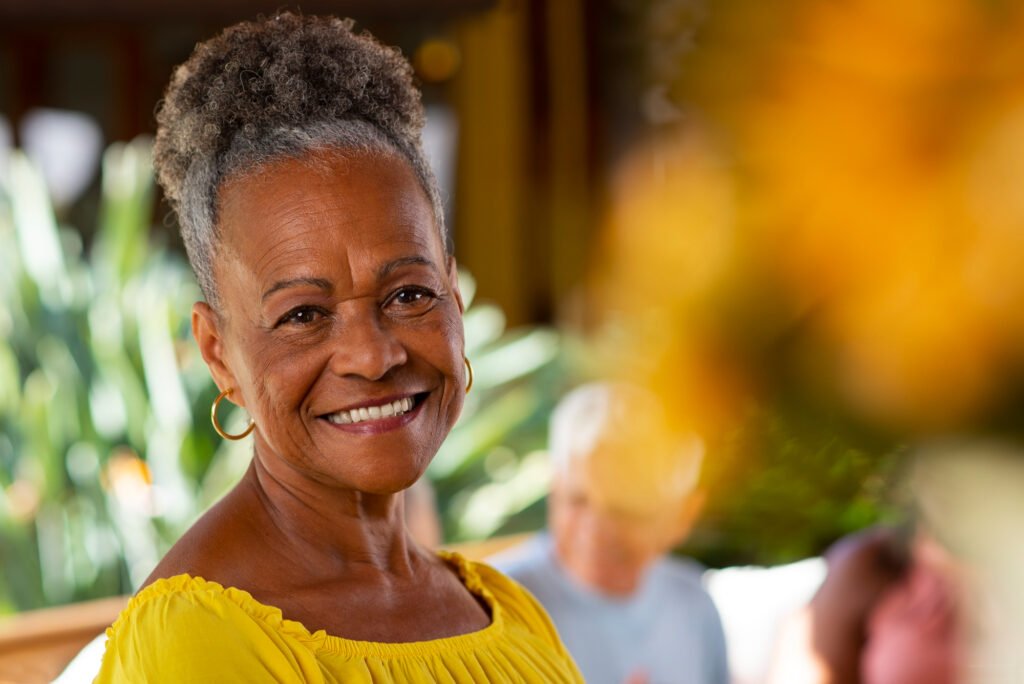
This is not an indictment of caregivers. In fact, many of them perform extraordinary acts of service every single day. They bathe our parents, prepare their meals, remind them to take medication, accompany them to hospital appointments, and often become the closest companions they have. They celebrate birthdays, patiently listen to stories they have heard countless times, and quietly carry the emotional weight of caring for someone else’s mother or father.
But caregivers are human.
They need sleep.
They become tired.
Even a live in caregiver cannot watch every doorway, every bathroom, or every bedroom every minute of every day. Expecting one person to provide uninterrupted vigilance is not only unrealistic, it is unfair.
The answer is not to blame caregivers.
The answer is to build a circle of care.
Some families move a trusted relative into the home.
Others relocate an ageing parent closer to family.
There is no perfect solution.
Only thoughtful ones.
Even Scripture reminds us that proximity matters. When Eli had grown old and his eyesight had failed, young Samuel slept nearby in the house of the Lord. When the unexpected happened during the night, someone was close enough to hear. Sometimes love is not only about providing. Sometimes it is about being close enough to notice.
Most children who live far away are not indifferent. They call. They send money. They arrange caregivers. They fly home whenever they can. Yet distance has a cruel way of magnifying helplessness. Love can cross oceans, but it cannot always cross a hallway in time.
Technology will never replace human presence.
But it can buy precious minutes.
It can alert us before hours become days.
It can turn a tragedy into a rescue.
Audio and video monitors allow family members to check in, even from another city or another country. Smartwatches with fall detection can automatically notify designated relatives after a serious fall. Motion sensors can alert loved ones if there has been no movement by a certain time each morning. Simple door latches that can be opened quickly during emergencies may be safer than locks that require force to break. Every family should have a non-negotiable morning check-in, and every elderly person living alone should have at least one trusted neighbour or relative with a spare key.
Technology should never replace people.
But it can help people respond in time.
We budget for school fees.
We budget for weddings.
We budget for new cars.
We budget for family celebrations.
We should also budget for the things that keep our parents safe in the final chapter of their lives.
Our parents spent decades sleeping lightly so they could hear us cry in the middle of the night. There comes a season when the roles quietly reverse. They may never ask for it. In fact, many will resist it. But love sometimes means protecting the dignity of those who once protected ours.
Ageing is not simply a medical issue.
It is a family responsibility.
Tonight, before you go to bed, ask yourself one question:
When it is 3 a.m., who is watching your parents?
If the answer is, “I’m not sure,” then today is the day to change that.
One day, every one of us hopes to grow old. One day, we may be the ones living alone in the house we built, insisting we are fine.
May we build families and communities where growing old does not mean growing invisible.
May we remember that love is measured not only by the money we send or the calls we make, but by the systems we put in place to protect those who once protected us.
Because ageing alone should never have to mean dying alone.
Subscribe
Login
0 Comments
Oldest
Newest
Most Voted
About Us
Write Affairsu00a0was created in June 2024 as an extension ofu00a0Quintessential Strategies Limited (QSL) to meet the growing demand for expert writing services.