
Mummy, They’ve Taken Me!
- Home
- Blog
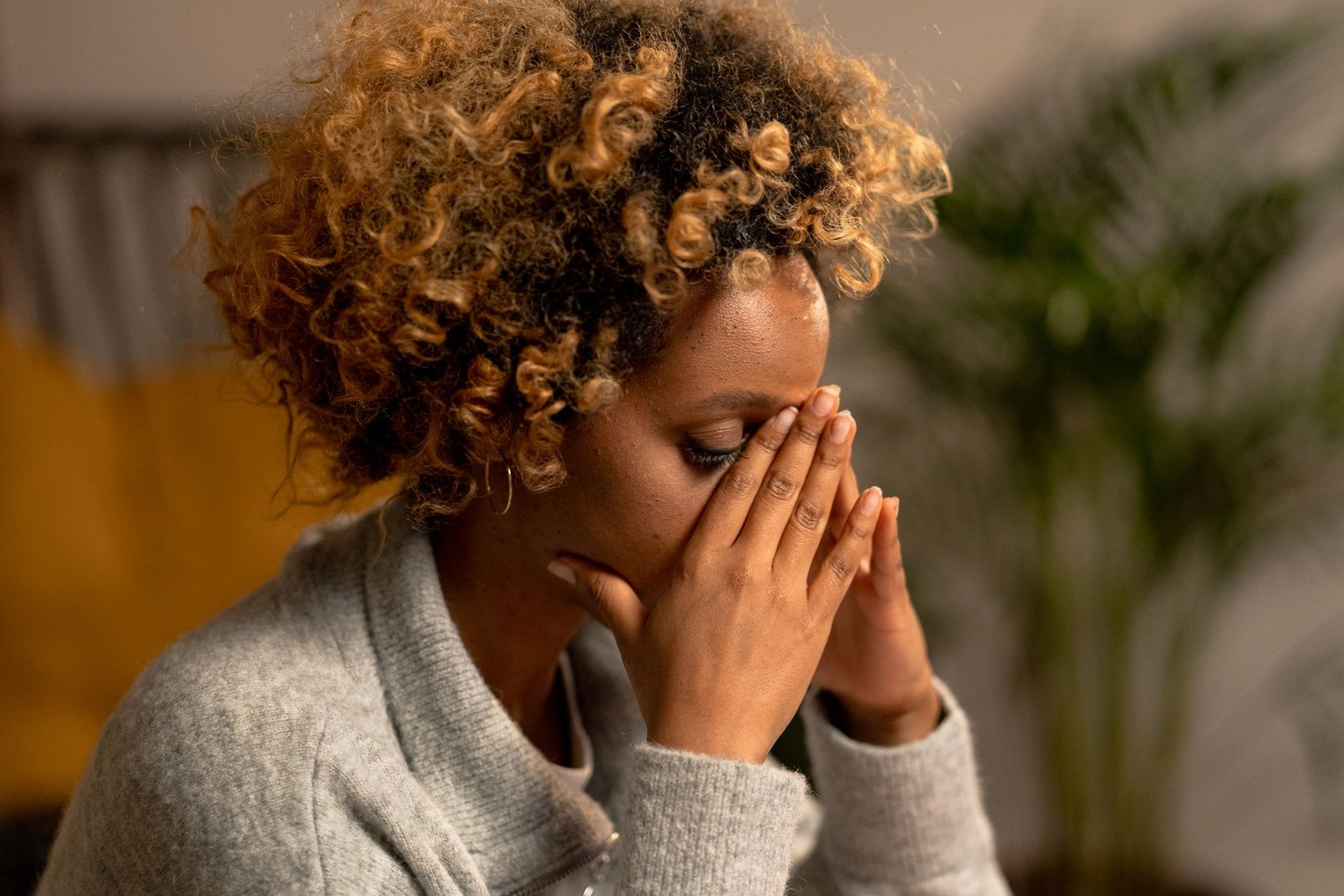
When the cry for help becomes a lie, real victims pay the price.
By Omolola Olakunri.
The call comes at 11:47 pm.
Your phone lights up. It’s an unknown number. Then his voice is shaking, broken, barely a whisper: Mummy, they’ve taken me. Please. I’m scared. Your blood freezes, your heart skips. In 3 seconds, you go from sleeping mother to soldier, ready to sell everything you own.
You wake your Pastor. You call your sibling in Canada. You start a WhatsApp prayer chain. Aunties start calling aunties. Churches mobilize, Mosques pray. All born from a place of love. All born from panic. It is a scenario that has played out so many times. Families sell ancestral land they have owned for generations. Mothers trade their gold trinkets. Fathers let go of property and shares in distress sales. All to raise ransom, all for one chance for their loved one to return home safely.
As a people, we have donated to GoFundMe’s like our lives depended on it. We’ve stayed awake praying, forwarded alerts at 2 am, contributed money we didn’t have. All for the nightmare to stop. Now the story has taken a darker turn. We have started kidnapping ourselves, and the sheer cruelty of it is mind-boggling. In a country where kidnapping is already one of our deepest wounds, some people are cutting the wound open and selling the blood.
72 hours later, the truth lands like a second kidnapping.
There were no gunmen. No forest. No ransom note.
It was planned. The tears were scripted. The panic was strategy. It’s an Oscar-worthy performance, and it cuts across all kinds of people. There’s Aisha, 34. Boutique owner in Onitsha Main Market. Covid wiped her out, loans piled up, suppliers calling daily. One night she called her elder brother in the UK, voice trembling: Bros, they’ve tied me up in a warehouse. They want 2 million, or they’ll sell my kidney.
He emptied his savings. Flew home.
Only to find Aisha in her shop, powder on her face. She just needed capital. ‘Business is war, Bros. I was desperate.’
And there’s Tunde. 26. Only son of a Civil servant and a retired teacher. Grew up believing he was the golden child. University degree, no job, Instagram full of Dubai trips he never took. His parents could barely afford to meet his expenses. So he staged it. Blindfold. Fake gunshots in the background. Called his father: ‘ They say you must send 5 million or I’m finished. ‘
When the truth came out, his father didn’t shout. He just sat down and aged 10 years in 10 minutes. Protecting him from consequences had created a monster.
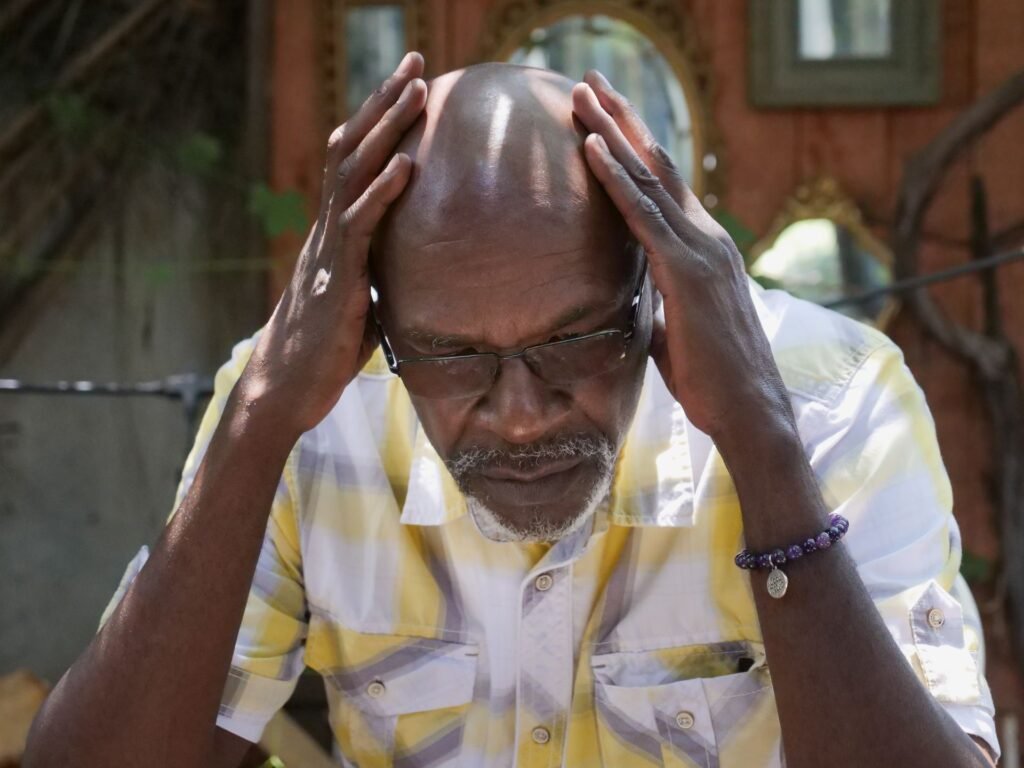
Two different people. Two different reasons.
One drowning in debt she couldn’t admit. The other drowning in entitlement he couldn’t manage.
Same weapon: fear.
Money was the objective, panic the method, and trust, as the collateral damage.
That collateral damage is hemorrhaging now, because Nigeria survives on trust.
When government fails, we lean on family. When family is overwhelmed, we lean on neighbors. When neighbors can’t cope, we lean on faith. The culture of ‘we will show up for you’ has carried us through war, recession, loss, for generations. Now that culture is cracking.
Every fake kidnapping is making people suspicious. Colder. Every staged cry makes genuine victims harder to believe. Every lie deepens compassion fatigue, until real suffering starts looking like another scam. And this is the greatest tragedy. Not the money lost, not the lies told.
But the day a real victim calls home, and the family hesitates, pondering, Is this true? Or is this another stunt?
Because when we lose trust, we lose each other.
But there are hard questions we need to ask ourselves.
The kind of society we are becoming when deception feels easier than honest struggle? What level of desperation, shame, or entitlement makes a daughter terrorize her brother, or a son terrorize the father who paid his school fees?
Hardship is real in Nigeria today. People are drowning. But hardship alone can’t explain everything, because millions face the same pressure and still choose honesty. At some point, this stops being an economic problem and becomes a values problem. A society where looking successful matters more than being good. Where social media sells lifestyles real salaries cannot afford.
Where getting the money is celebrated, but how you got it is never asked.
Societies don’t just collapse when economies fail. They collapse when trust fails.
Kidnapping should not be a side hustle, not content for TikTok, not a prank, and definitely not a shortcut to the soft life. It is trauma a family may never recover from. It is terror. Not knowing if the child will come home alive again.
And those who stage it aren’t just stealing money, they are stealing trust from the next victim who will genuinely need help. They’re stealing peace from the next mother whose phone will ring at 11:47 pm.
In a country already battling insecurity, that is a price far too high to pay.
So the next time the phone rings at midnight
May we still answer. May we still believe. May we still make the motions.
Because the moment we stop, everybody becomes vulnerable, the scammer. The victim. All of us.
Subscribe
Login
0 Comments
Oldest
Newest
Most Voted
About Us
Write Affairsu00a0was created in June 2024 as an extension ofu00a0Quintessential Strategies Limited (QSL) to meet the growing demand for expert writing services.